Chicken Coop Run Ideas
Highlighted under: Easy Meal Solutions
I love creating functional and fun spaces for my chickens, and one of the best parts of chicken-keeping is designing the coop run. Over the years, I've experimented with various setups that not only provide safety and comfort for my feathered friends but also keep them entertained and engaged. Each idea I've explored aims to enhance their well-being and integrate natural behaviors. With this guide, I’m excited to share some innovative concepts that you can incorporate into your own chicken run, ensuring your chickens thrive and enjoy their daily adventures.
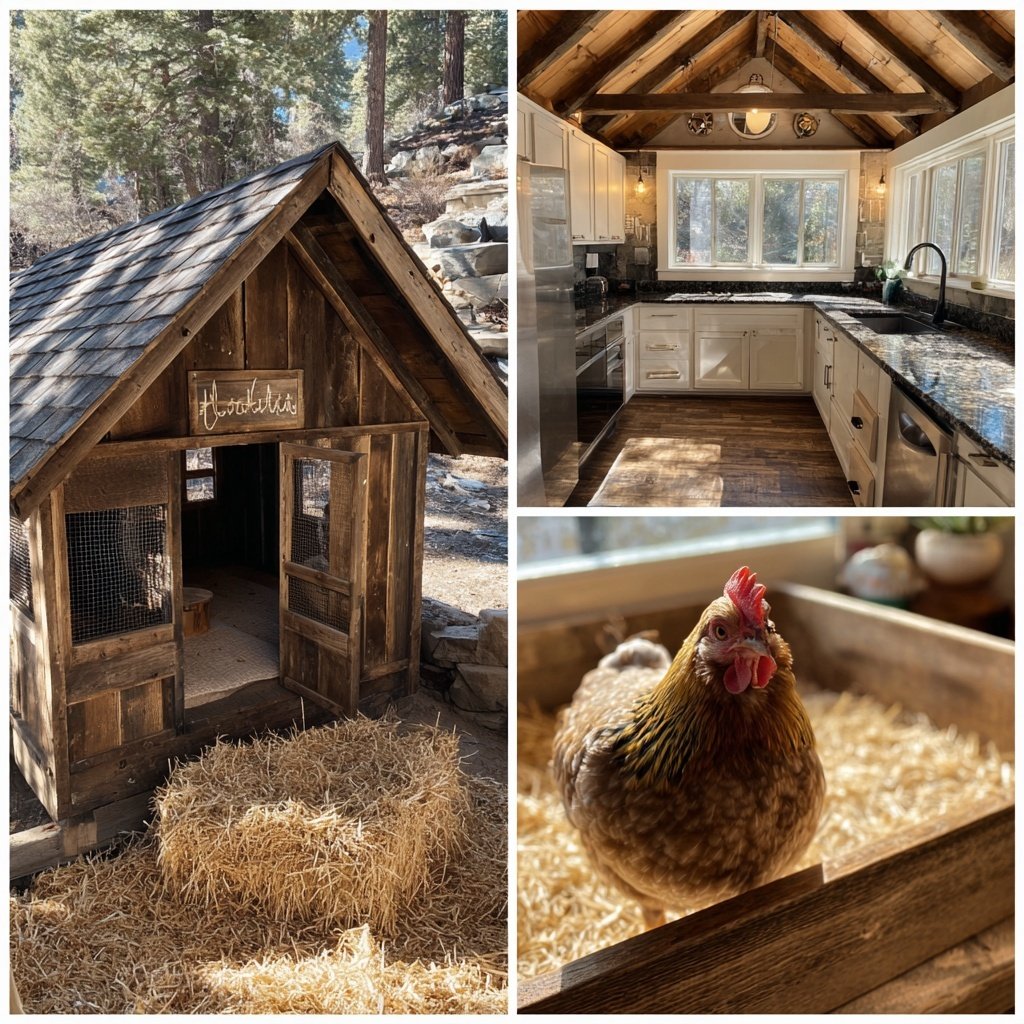
When I started with chickens, I quickly learned that a static run wouldn’t keep them happy for long. To keep things engaging, I've created multiple zones within the run, each with its own theme. For instance, I’ve set up a “straw bale mountain” for climbing and exploring—which they absolutely love! Watching my chickens navigate these varied environments has been a joy, proving that a little creativity can go a long way in keeping them stimulated.
I also noticed how important it is to include natural elements. I’ve incorporated plants and shrubs to provide shade and foraging opportunities. Not only does this improve their quality of life, but it also adds beauty to the space. Simple features like a dust bathing area or a small pond have made a significant difference in their happiness. These enhancements have transformed my run into a delightful playground!
Why You Will Love These Ideas
- Innovative setups that keep chickens entertained
- Natural elements that enhance wellbeing
- Easy to implement modifications for any coop
Maximizing Space for Your Chickens
The layout of your chicken run plays a vital role in their overall happiness and activity levels. When planning, think beyond a simple rectangular area. Consider incorporating different levels and zones that cater to various behaviors—such as foraging, dust bathing, and roosting. A well-designed run not only maximizes available space but also enhances the environment, keeping your chickens active and engaged throughout the day.
Creating a multi-dimensional space can encourage natural instincts like pecking and exploring. You might create a shaded nook using wooden pallets or plant shrubs that offer additional shelter. Free-ranging is a strong motivator for chickens, so details like pathways or climbing areas can help simulate an outdoor exploration, making your run feel less confined.
Choosing and Using Natural Elements
Incorporating natural plants into your chicken run not only beautifies the space but also benefits the chickens' physical and mental health. Opt for non-toxic, chicken-safe plants like marigolds or herbs such as mint and oregano. These plants can attract insects, offering foraging opportunities, while also adding vibrant colors to the landscape. Additionally, they can help with pest control naturally, reducing the need for chemical treatments.
When setting up your run, consider using straw bales or wooden pallets to create micro-habitats that mimic their natural environment. Chickens love to jump and climb; therefore, providing elevated areas can help exercise their legs and stimulate their minds. I find that rotating the types of plants and structures can keep the environment fresh and engaging for my birds.
Ingredients
Materials for coop run enhancements
- Straw bales
- Wooden pallets
- Natural plants or shrubs
- Sand for dust baths
- PVC pipes for tunnels
- Water feature (small pond or basin)
Instructions
Plan Your Run Layout
Decide the size and shape of the run based on the space available. Consider dividing it into zones for varied activities.
Incorporate Natural Elements
Add bushes or plants that are safe for chickens, giving them places to hide and forage.
Create Climbing Structures
Use straw bales or wooden pallets to create small hills and ledges for your chickens to explore.
Install Dust Bath Areas
Provide a designated area filled with sand or dirt where your chickens can dust bathe.
Add a Water Feature
Consider a small pond or basin for hydration and fun—just ensure it’s shallow for safety.
Continuous Enrichment
Regularly rotate toys or add new features to keep the chickens engaged and curious.
Pro Tips
- Always prioritize the safety and comfort of your chickens when implementing these ideas. Regularly check the area for wear and tear, and replace anything that may become harmful or uncomfortable for your birds.
Troubleshooting Dust Bath Areas
Dust baths are essential for chickens as they aid in keeping feathers clean and free from pests. Ensure the area is dry, as moisture can lead to mold growth or lethargy among birds. If you notice chickens avoiding the dust bath, check the substrate depth; it should be at least 6 inches deep to allow for adequate dusting. If they won’t use it, consider relocating the bath to a quieter area of the run.
If your chickens seem excessively dirty despite having a dust bath, it may indicate that the sand or dirt is compacted. Regularly fluff up the substrate to keep it loose and inviting. Additionally, incorporating diatomaceous earth can help with pest control without any harmful chemicals, giving them a safe way to enjoy their baths.
Maintaining Water Features
If you choose to add a water feature, maintenance is crucial. Ensure that the basin or pond is shallow to prevent drowning hazards, especially for younger chickens. Regularly change the water to prevent stagnation—aim for a refresh every two to three days. This not only keeps the water clean but also encourages your chickens to stay hydrated and healthy.
You can also consider incorporating natural filtration methods by planting aquatic plants around the pond. These will help naturally purify the water and create a picturesque environment. However, supervise your setup for any algae build-up, as it could turn the pond green quickly. Keeping a small net or skimmer handy can be useful for quick clean-ups.
Questions About Recipes
→ What should I consider when designing a chicken coop run?
Focus on size, safety from predators, and maintaining a fun environment that allows for natural chicken behaviors.
→ How much space do chickens need in a run?
It's recommended to provide at least 10 square feet per chicken in the run to ensure they have enough space to roam.
→ Can I plant flowers in the coop run?
Only if they are non-toxic to chickens. Consider safe plants like marigolds or sunflowers that can enrich their environment.
→ Are dust baths necessary for chickens?
Yes! Dust baths help chickens maintain healthy feathers and skin. Providing a designated area for this is essential.
Chicken Coop Run Ideas
Created by: Rowan Tate
Recipe Type: Easy Meal Solutions
Skill Level: Beginner
Final Quantity: Varies
What You'll Need
Materials for coop run enhancements
- Straw bales
- Wooden pallets
- Natural plants or shrubs
- Sand for dust baths
- PVC pipes for tunnels
- Water feature (small pond or basin)
How-To Steps
Decide the size and shape of the run based on the space available. Consider dividing it into zones for varied activities.
Add bushes or plants that are safe for chickens, giving them places to hide and forage.
Use straw bales or wooden pallets to create small hills and ledges for your chickens to explore.
Provide a designated area filled with sand or dirt where your chickens can dust bathe.
Consider a small pond or basin for hydration and fun—just ensure it’s shallow for safety.
Regularly rotate toys or add new features to keep the chickens engaged and curious.
Extra Tips
- Always prioritize the safety and comfort of your chickens when implementing these ideas. Regularly check the area for wear and tear, and replace anything that may become harmful or uncomfortable for your birds.